
AirTag Dog Collars: How They Work — and What to Look For
Every dog parent has had the moment: the gate didn't latch, the leash slipped, the squirrel won. A tracked collar turns that panic into a map pin. Here's the honest guide to how AirTag collars work and what separates a good one from a gadget.
How tracking actually works
An Apple AirTag doesn't have GPS. It quietly talks to nearby iPhones through Apple's Find My network — hundreds of millions of devices — and reports its location to your phone. In neighborhoods and suburbs, that means near-live location for a tag that costs about $25 and runs a year on one battery. No subscription, unlike most dedicated pet GPS trackers. The catch: it needs other Apple devices nearby, so rural wilderness coverage is weaker than a cellular tracker. For escape-artist dogs in populated areas, it's the best value in pet tracking, period.
What makes a good AirTag collar
- A sealed, snug pocket — the tag shouldn't rattle, dangle, or fall out mid-run. Sewn-in cases beat hanging holders, which swing and catch on things.
- Water protection — rain, puddles, and bath time are weekly events in a dog's life.
- Reflective stitching — most escapes happen at dusk; you want the collar itself visible to headlights.
- A proper buckle and adjustable fit — two fingers should slide under the strap, snug enough not to slip over the head.
Pair it with smart habits
A tracker is the backup, not the plan. Microchip registration kept current, a tagged collar with your phone number, and a fenced-yard check after storms remain the basics. Add a light-up collar for night walks and you've covered the highest-risk hours.
Gear that does this job
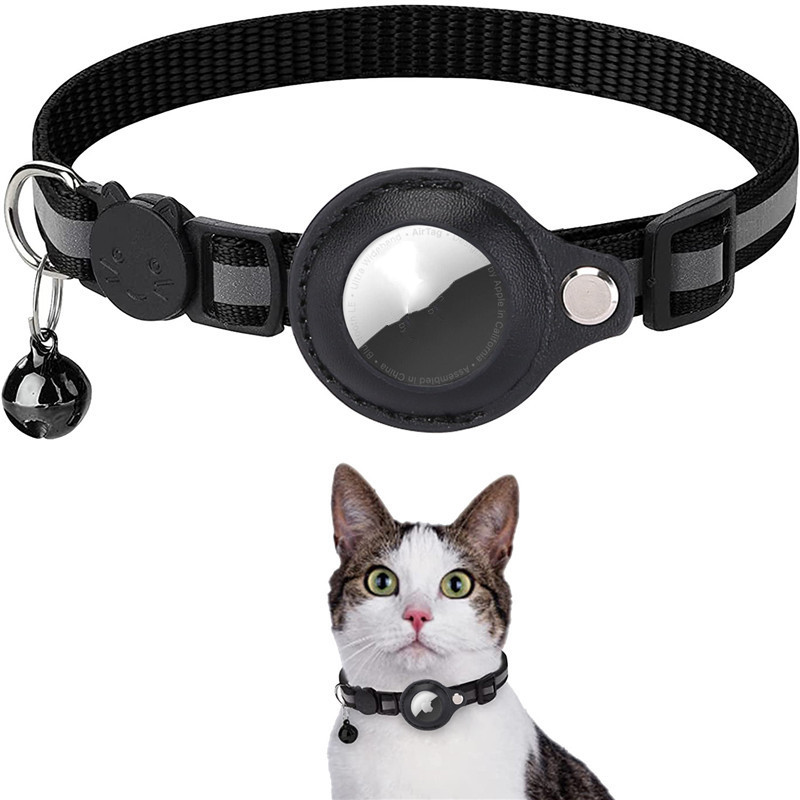 TrackGuard AirTag CollarSealed pocket, reflective, 4 colors
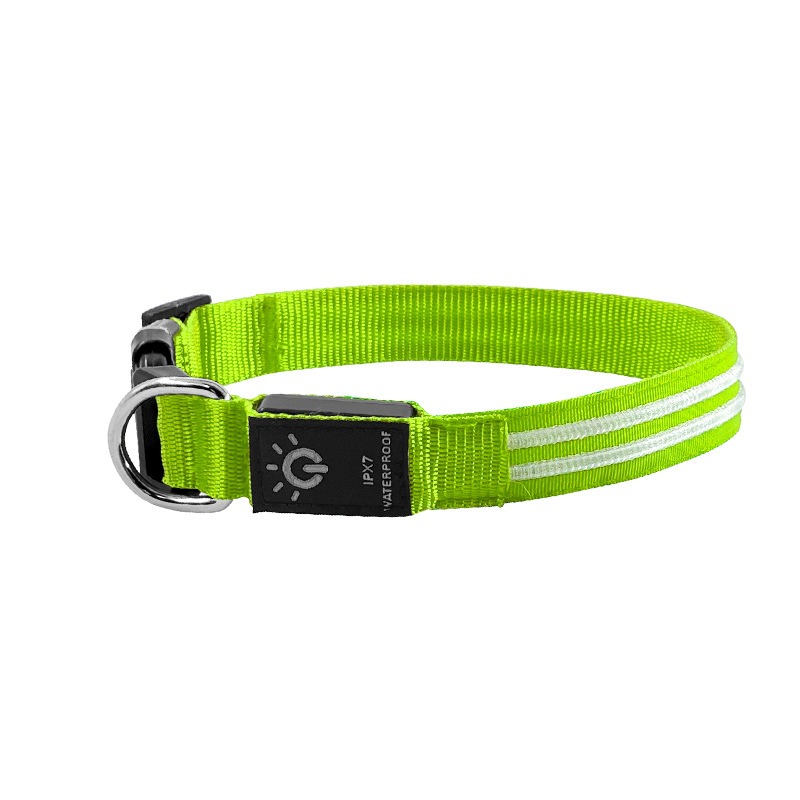 Night Glow LED CollarSeen from a block away at night
More problem-solvers: shop walk & travel gear · all dog care guides